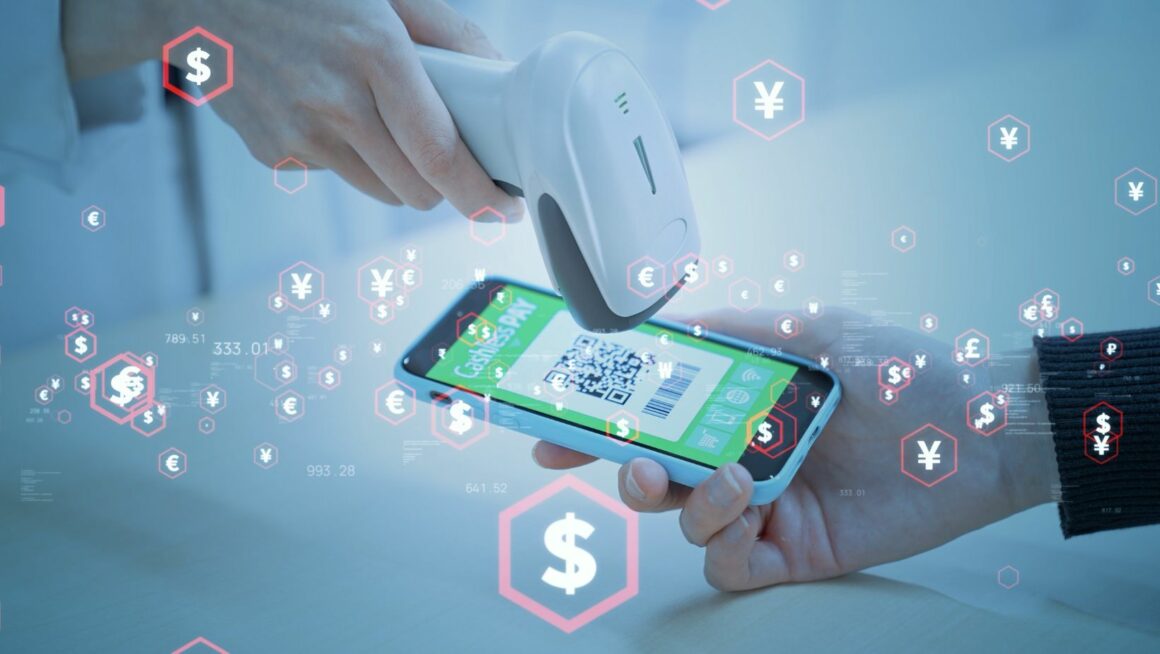

What Fintech Beginners Should Know About Digital Payments is the starting point for anyone building or using modern payment tech. Digital payments are electronic transfers of money, cards, bank transfers, mobile wallets and apps, that replaced cash for millions of daily purchases. This guide gives clear, actionable context: why payments matter, which methods matter most, the plumbing behind transactions, and the essential security and compliance steps beginners must learn in 2026.
Key Takeaways
- Digital payments are essential for fintech beginners since most modern fintech products rely on card payments and digital wallets to process transactions.
- Understanding the main payment methods—cards, bank transfers, wallets, and P2P apps—and their ideal use cases helps reduce development time and user friction in fintech applications.
- Hands-on experience like opening bank accounts, testing digital wallets, and experimenting with payment APIs builds crucial practical knowledge of payment flows and dispute processes.
- Knowing the roles of gateways, processors, issuers, and payment rails clarifies transaction workflows and helps troubleshoot payment failures effectively.
- Prioritizing security with encryption, tokenization, and risk-based authentication combined with compliance to AML/KYC and card network rules is vital to prevent fraud and avoid costly regulatory issues.
- Measuring transaction stages such as authorization, capture, and settlement times aids in optimizing cash flow and improving payment reliability in fintech solutions.
Why Digital Payments Matter For Fintech Beginners
Digital payments matter because they are the rails on which most fintech products run. Fact: cards and digital wallets together process the majority of retail and e‑commerce activity in many markets. That means a fintech product that ignores these channels risks irrelevance.
Common payment methods make the difference between a usable app and a dead one. Cards (debit/credit) handle point‑of‑sale and subscription flows: bank transfers (ACH/EFT) handle payroll and B2B settlements: wallets and P2P apps simplify in‑app and person‑to‑person transfers. For a beginner, grasping which method fits each use case reduces build time and user friction.
Practical first steps help beginners start smart. First, open a bank account and get a card to learn end‑user flows and dispute processes. Second, install a leading mobile wallet and send a test transfer to a friend. Third, read API docs from a major payments provider and experiment with sandbox keys. These steps turn abstract concepts into concrete muscle memory: seeing a failed authorization, reviewing a settlement line, and reproducing a chargeback.
Beginners who want broader context can link core learning to a structured resource on the site. A short overview on the platform provides curated reading and next steps for building fintech skills: the site overview collects tutorials, product guides, and roadmaps to help beginners avoid common early mistakes and pick the right learning path.
Common Payment Methods And Real-World Use Cases
Cards: The immediate fact is cards power most consumer purchases. Debit and credit cards are present in checkout flows, subscriptions, and recurring billing. For example, a subscription box service may see 85% of signups come through card payments in month one.
Bank transfers / ACH / EFT: These rails handle larger‑value and batch transactions. Companies use ACH for payroll and suppliers use EFT for invoices. A small manufacturer might receive B2B payments via ACH because fees are lower and the payment can be reconciled more cleanly.
Mobile and digital wallets: These enable contactless in‑store, in‑app convenience, and faster checkout. Wallets reduce card entry errors and increase conversion rates by measurable amounts, often improving checkout completion by several percentage points.
P2P apps: Person‑to‑person transfers solve micro transactions and informal commerce. A local food vendor can accept payments via P2P app scan codes, avoiding a card terminal’s monthly fee.
QR, contactless, and wearables: These are fastest at transit gates and quick‑service retail. A commuter tapping a wearable or scanning a QR code illustrates why speed and reliability matter more than novelty.
Each method matches a narrow set of use cases. Beginners should map one product’s needs to one or two dominant methods rather than chasing every available payment type.
How Beginners Can Get Started — Practical First Steps
Start with an account and a card to experience consumer flows firsthand. This is the quickest way to see merchant descriptors, failed authorizations, and dispute timelines.
Activate a reputable digital wallet and link a bank or card. Use the wallet to buy a coffee and study the receipt and settlement timelines. Beginners often miss how a pending authorization differs from final settlement, seeing both in practice clears confusion.
Learn to read transaction histories and practice disputing a test charge (on sandbox accounts if available). Knowing where to find merchant IDs, transaction timestamps, and authorization codes speeds troubleshooting.
For builders: study APIs from established providers and read card network developer docs. Try a sandbox integration: carry out tokenization, simulate a failed CVV check, and log the webhook events. That practical testing surfaces real error conditions most tutorials skip.
Common early mistakes include assuming settlement is instant and underestimating edge cases like partial refunds or expired tokens. Those missteps cost time, testing fixes them before launch.
Core Components Of Digital Payments
Payments rely on a few clear components: consumer, merchant, issuer bank, acquirer bank, gateway, processor, and payment rail. Beginners should memorize those roles: they explain who is responsible when a payment fails.
The payment gateway acts as the front‑end bridge between an app or website and the payment processor. It captures card data, applies client‑side validation, and forwards an authorization request. The processor handles authorization, clearing, and settlement messages between banks and networks.
Payment rails are the underlying messaging and settlement systems: card networks (Visa, Mastercard), ACH for bank transfers, and instant rails that settle in real time. Rails differ: card networks add interchange and scheme fees and often have multi‑day settlement windows: instant rails move money immediately but may carry different risk models.
Beginners should practice mapping each transaction leg to a component. For example: a customer taps to pay → gateway collects token → processor sends auth to issuer → issuer responds with approval → processor returns approval to gateway → merchant captures funds → clearing and settlement follow. Understanding this flow reduces finger‑pointing when a payment stalls.
To compare practical device handling and terminal behavior, readers may find guidance on comparing gadget specs helpful: a brief product comparison can clarify choices for checkout hardware and integration models: consult a concise gadget comparison for checkout options.
Payment Rails, Gateways, Processors And Settlement Flows
Fact first: a typical card payment follows this simplified sequence, initiation, authorization, processing, clearing, settlement. Authorization is near‑instant: settlement can take hours to days on card rails, or seconds on instant rails.
Gateways provide tokenization and PCI‑scope reduction by ensuring raw card numbers never hit merchant servers. Processors route authorization requests and manage clearing files. Issuers evaluate risk and either approve or decline.
Settlements produce ledger entries at both issuer and acquirer. In some cases, a merchant’s bank posts funds after netting fees and reserves. For example, a small online store might see funds available in two business days but with a holdback for new merchants during the first 30 days.
Beginners should log timestamps for each stage in their test transactions to measure latency and reconcile differences. Recording these metrics, authorization time, capture time, settlement posting, reveals process bottlenecks and helps predict cash flow.
Security, Compliance, And Fraud Prevention Essentials
Security and compliance are non‑negotiable. Protecting card and bank data with encryption and tokenization reduces breach risk. Fact: tokenization removes sensitive PANs from merchant storage and lowers PCI scope.
Strong customer authentication and biometric options cut fraud rates, but they also add friction. The practical tradeoff: use risk‑based authentication to step up verification only when a transaction looks suspicious.
Continuous fraud monitoring and risk scoring detect anomalies, velocity checks, device fingerprinting, and geolocation mismatches. Beginners should instrument alerts for rapid review and create clear playbooks for declines, reversals, and chargebacks.
Compliance: carry out AML/KYC procedures appropriate to the product’s risk profile and follow card network rules. Recordkeeping matters, retain logs and consent records so audits and disputes can be resolved quickly.
A candid warning: underestimating compliance costs and operational work leads to delays and fines. Planning early for basic compliance, even for a simple wallet, saves months of rework.
Conclusion
Understanding payment methods, the plumbing behind transactions, and security and compliance basics gives beginners the practical foundation to build or use fintech services in 2026. The real advantage comes from hands‑on testing, opening accounts, trying wallets, reading API docs, and from linking that experience to reliable reference material on the platform for next steps.