
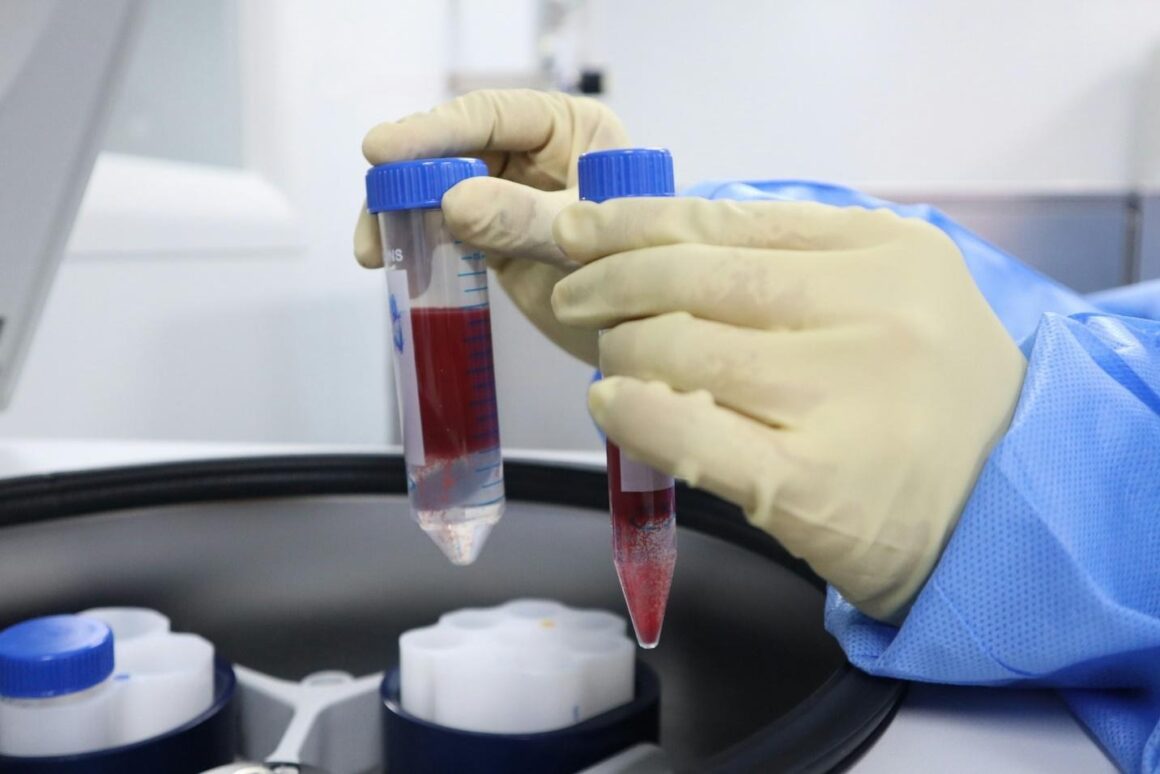
Cancer treatment has come a long way, but one of the biggest challenges with chemotherapy is drug resistance. Some cancer cells can push drugs out before they have a chance to work, which makes treatments less effective. This drug resistance is generally caused by proteins that act like pumps on the surface of cells. One such protein is P-glycoprotein, commonly called P-gp.
It can prevent medication from staying in the cell for too long, especially in the brain and gut. This is why a special compound called Elacridar GF120918 P-gp inhibitor has gained attention for its potential to block this process. It is also proven to improve the effectiveness of cancer medicines. In this article, we will take a look at the essential things you need to know about this compound.
What Is P-gp and Why Does It Matter?
P-glycoprotein, or P-gp, is part of a group of transporters known as ATP-binding cassette (ABC) proteins. These transporters use energy to move substances out of cells. Researchers first studied them because they can get chemotherapy drugs out of cancer cells. When that happens, cancer cells survive instead of dying.
P-gp is not found only in cancer cells; it is also found in normal tissues like the liver, brain, and intestines. Its role is to pump out harmful chemicals to keep the body safe. However, this same function can also prevent helpful medicines from working well. For instance, P-gp in the brain’s protective layer, known as the blood-brain barrier (BBB), can block many cancer and antiviral medications from getting into the brain.
How Elacridar Works
Elacridar, also called GF120918, is a third-generation inhibitor. It belongs to a group of newer compounds that work to stop drug-efflux pumps like P-gp and the breast cancer resistance protein (BCRP). Unlike previous inhibitors that needed high doses and caused side effects, it is much more selective and works better at lower doses.
It works by attaching to P-gp so that it can’t change shape and pump medicines out. This action keeps chemotherapy medications inside cancer cells for much longer, which makes them perform better. In addition, Elacridar blocks BCRP, which is another transporter that can reduce drug levels inside cells.
Why Dual Inhibition Is Important
Blocking both P-gp and BCRP is useful because they often work together. When only one is stopped, the other can take over and keep getting rid of the medication. By targeting both, Elacridar keeps more chemotherapy medication in cancer cells.
Studies have shown that blocking P-gp and BCRP enables the buildup of drugs such as paclitaxel, topotecan, and imatinib in the brain and tumors. This can make these medicines more effective against cancers that used to be challenging to treat.
Improving Drug Delivery to the Brain
A lot of cancer medications have a hard time getting beyond the blood-brain barrier. This barrier keeps toxins out of the brain, but it also keeps out helpful treatments. Researchers discovered that Elacridar can block P-gp and BCRP at this barrier. When this happens, it’s easier for medicines that ordinarily can’t get into the brain to do so.
In one animal study, when mice were given imatinib together with elacridar, it led to a substantial rise in the medicine’s concentration in the brain. This suggests that Elacridar might help doctors deliver cancer medications to brain tumors more efficiently.
Enhancing Oral Absorption of Drugs

Many chemotherapy drugs are poorly absorbed when taken orally because P-gp in the intestine pumps them back into the gut. This limits their bioavailability, which is the amount that actually gets into the bloodstream. Fortunately, Elacridar has been shown to enhance the absorption of such medicines.
For instance, in clinical studies, giving Elacridar with oral paclitaxel increased the levels of paclitaxel in the blood compared to giving paclitaxel alone. When used with another chemotherapy medicine, topotecan, the effects were similar. Although the levels were still lower than those from intravenous use, these results prove that elacridar can improve oral chemotherapy options for patients.
Safety and Clinical Studies
Early research on Elacridar indicated that it was generally safe and well-tolerated. Even though there were some minor side effects, they weren’t serious. So, in most phase I studies, scientists used it to test how it affected drug absorption and distribution. You can visit https://www.who.int/ to learn more about the phases involved in clinical trials or studies.
Unfortunately, Elacridar did not make much headway in clinical development, even though it looked promising. Researchers discovered that although it performed effectively in animal and early human experiments, the improvement in certain cases was insufficient to warrant extensive research. Still, it is a very helpful research tool since scientists use it to study more about how drugs move through the body and into the brain.
Use as a Research Tool
In addition to its potential application in tumor treatment, elacridar has been extensively used in research. Scientists use it to measure how active P-gp is in different tissues. In some studies, it has been used with special imaging techniques like PET scans to visualize how drugs move in real time. This helps researchers to better understand how medicines behave in the body and how to develop better ones.
Why It Matters for the Future of Cancer Therapy
Elacridar reflects how far research on drug resistance has come. By learning how transport proteins work and how to stop them, scientists can develop better cancer treatments. Even if Elacridar doesn’t reach clinical use, it has made it possible to develop inhibitors that are safer and more effective.
Future drugs based on this design could make chemotherapy more powerful by ensuring medicines stay where they are needed most. This could also allow for lower doses, which would mean fewer negative effects for patients.
Conclusion
One of the biggest problems in medicine is cancer resistance. When cancer cells push medicines out through P-gp and BCRP, treatments can’t reach their targets. The discovery of Elacridar meant researchers were able to understand and block these defenses. While it may not be a medicine available for patients currently, its role in shaping future therapies cannot be ignored.