
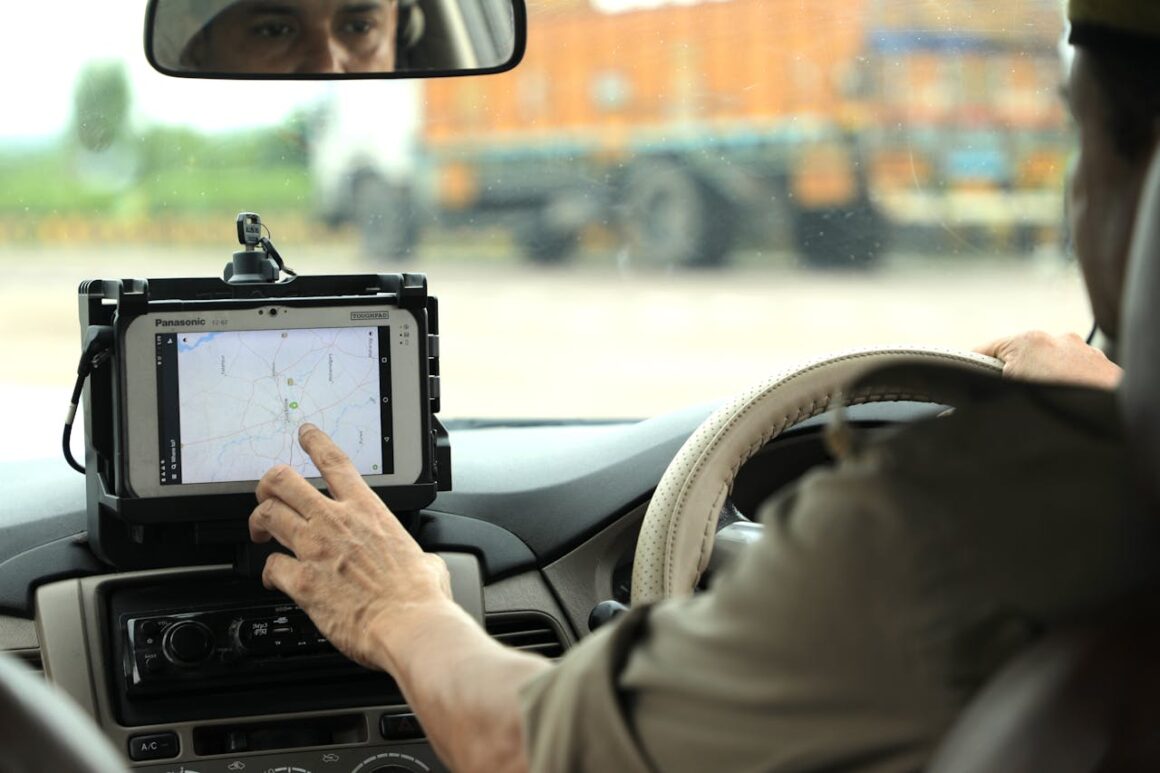
As a small business owner, managing a fleet of vehicles can be a challenge. Keeping track of vehicle movements, monitoring driver behavior, and optimizing routes can feel overwhelming. Vehicle location monitoring offers a simple solution to many of these issues. Let’s explore the top five benefits it can bring to your business.
1. Improved Fleet Management and Efficiency
Vehicle tracking helps small business owners improve overall fleet management. By using GPS-enabled systems, business owners can monitor where each vehicle is in real-time. This makes it easier to assign tasks, plan routes, and manage time more effectively. Tracking data helps optimize fuel consumption and monitor driver behavior. With accurate location information, businesses can choose the most efficient routes, cutting down unnecessary fuel costs.
Key Advantages:
- Reduced fuel consumption
- Better route planning
- Increased productivity
- Enhanced safety for drivers
2. Enhanced Security and Theft Prevention
The security of vehicles is a top concern for small business owners. With fleet location monitoring, businesses can easily monitor the location of their fleet. If a vehicle is stolen, tracking data can lead to a swift recovery, minimizing losses. This added layer of protection can be invaluable, particularly for those with expensive or high-risk assets.
It also aids in monitoring driver behavior, such as unauthorized use or detours. This can help prevent misuse of company vehicles, ensuring they are used solely for business purposes. It provides peace of mind knowing that the vehicles are constantly being monitored for safety.
3. Streamlined Maintenance Scheduling
Maintaining a fleet can be time-consuming and costly, especially when preventative maintenance is neglected. Tracking systems help small business owners monitor maintenance schedules effectively. The system can send reminders for oil changes, tire rotations, and other critical services, ensuring that vehicles remain in good working condition.
Tracking also gives insight into vehicle usage, helping predict when specific parts may need attention. By using the system’s data, business owners can reduce the risk of unexpected breakdowns. This proactive approach to maintenance helps save money on repairs and extends the lifespan of the fleet.
4. Cost Savings and Improved Profitability
With real-time tracking data, businesses can cut down on fuel consumption by optimizing routes and avoiding congestion. Furthermore, the ability to monitor driver behavior may lead to better driving habits, reducing instances of reckless driving that can result in costly accidents or fines.
Tracking systems can also assist in managing overtime by ensuring that drivers are taking the most efficient routes. By reducing unnecessary travel, companies can lower fuel expenses, save on labor costs, and increase profitability. Over time, these savings can add up, offering a considerable return on investment.
5. Better Customer Service and Transparency
With fleet location monitoring, small business owners can provide better customer service. Real-time location data can be shared with customers, giving them an accurate delivery or service window. This transparency helps build trust and strengthens relationships with clients, knowing that they will be informed if there are any delays.
Tracking data also allows businesses to make more informed decisions when scheduling appointments or deliveries. By knowing the exact location of the vehicles, it becomes easier to avoid double-booking or assigning too many tasks to one vehicle. This enhances the overall customer experience and helps ensure that deliveries or services are completed on time.
Incorporating vehicle tracking into your fleet management system may help small businesses run more smoothly and efficiently. The benefits range from improved security and reduced costs to better customer service and proactive maintenance. Small business owners can leverage this technology to streamline operations, increase profitability, and provide higher levels of service to their customers. Whether you are managing a small delivery fleet or a larger collection of vehicles, this system provides a powerful tool for enhancing business performance.