
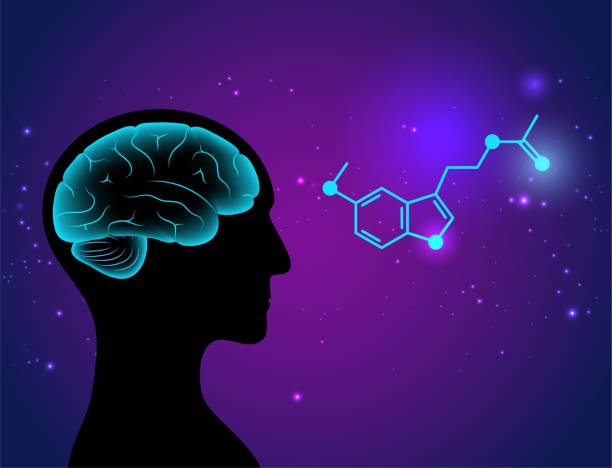
Entrepreneurs of today chase consistent performance, energy, and focus every day. They need this more and more every day due to long hours that demand fast decisions and sharp thinking. The brain controls how well and smoothly this happens, and chemicals inside shape stress and motivation. Two major chemicals guide performance patterns: cortisol and dopamine. The balance of these two affects burnout risk, drive, and focus. This is why it is vital to understand how this balance works and how it helps entrepreneurs to perform better.
What are Cortisol and Dopamine Basics?
Dopamine is the reward and motivation chemical, which helps people feel focused and driven. Seeing progress bars and goal charts increases dopamine release. Cortisol is a stress hormone that prepares the body and mind for action or pressure. Short, stressful events or days can increase alertness, but problems start when stress lasts too long.
How Do These Two Chemicals Interact?
Cortisol and dopamine interact through distinct feedback loops. For example, success increases motivation and dopamine, and pressure increases alertness and cortisol. When cortisol levels are high, it blocks dopamine release, reducing creative thinking and motivation. This is why balance is essential for peak performance.
The Connection Between Entrepreneurial Drive and Dopamine
Business owners depend heavily on dopamine systems because wins and new ideas boost motivation immediately, while progress creates forward momentum and excitement. Small achievements release dopamine, which encourages ongoing focus and effort. Constant chasing can also lead to overload, and the brain might demand higher rewards. Hormones closely impact brain chemistry, and testosterone also affects confidence and motivation. And it being on low levels might reduce energy and drive.
Most business owners have now started looking for medical guidance for balance. Online testosterone therapy can support overall wellbeing under supervision. Everyday habits strongly shape chemical balance, and consistency matters more than extreme effort. The following habits protect motivation and focus:
- Clear work boundaries after business hours.
- Balanced meals with enough protein.
- Regular exercise without overtraining.
- Structured work sessions with planned breaks.
When Dopamine Becomes Unstable?
Too many deadlines and tasks reduce the idea of reward or satisfaction. Constant notifications disrupt dopamine cycles, and focus becomes shallow or scattered. This further leads to mental fatigue and frustration. Cortisol helps the body handle short-term challenges. For instance, deadlines can increase attention, and pressure can push people to act fast and sharply. This continuous pressure keeps cortisol levels high, which in turn leads to mental exhaustion. Recovery becomes slow and complex over time, and high cortisol also affects mood and sleep quietly.

Entrepreneurs ignore warning signs at an early stage, which means the body sends signals before burnout occurs. The following signs mean that there is a chemical imbalance:
- Slow recovery and poor sleep.
- Trouble focusing on simple tasks.
- Ongoing mental fatigue during workdays.
- Loss of motivation despite success.
Cortisol and dopamine constantly influence each other; stress reduces the dopamine response to success, and lower dopamine levels reduce focus and motivation. Reducing focus increases mistakes, which in turn further increase stress, leading to a burnout loop if not appropriately managed.
Conclusion
Cortisol and dopamine shape entrepreneurial performance and focus, while their feedback loops impact stress levels and motivation. Balance supports clear thinking, energy, and creativity; this is why managing stress protects long-term health and drive. Peak performance comes from balance rather than constant pressure.