
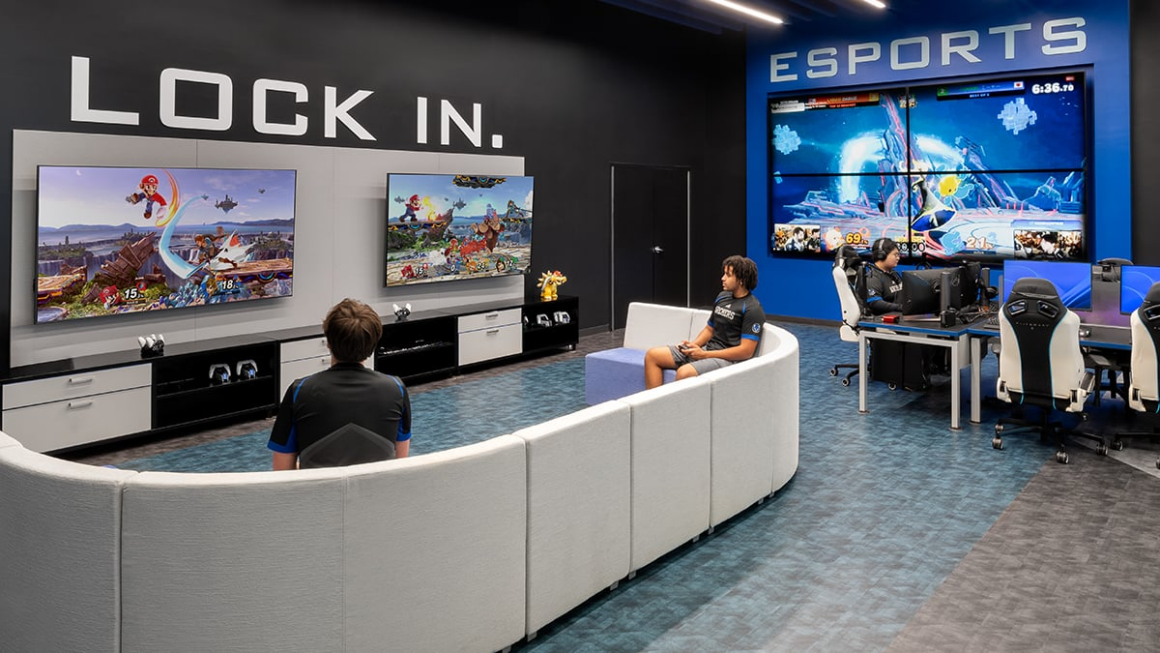
Modern esports has evolved into a high-tech discipline where the outcome of a match depends not only on players’ reaction speed but also on the depth of analytical support behind them. The introduction of real-time data processing tools has allowed professional teams to move beyond simple replay reviews, transforming digital statistics into a dynamic instrument of strategic influence. Thanks to the instant collection of performance metrics, analysts can now adjust tactics directly during gameplay, significantly reducing uncertainty. This article explores how the integration of live analytics and artificial intelligence is reshaping team preparation, decision-making during tactical pauses, and the overall evolution of professional gaming.
The Evolution of Analytical Approaches: From Post-Match Reviews to Live Mode
The history of esports analytics has progressed from manually noting patterns in notebooks to sophisticated systems that collect telemetry data in real time. In the past, processing information could take days, and the results were only relevant for future tournaments. Today, however, we live in an era of “instant truth.” Every mouse movement or virtual shot is immediately converted into digital data, allowing analytics to become not just a preparation tool but an active component of the live gameplay process, where the speed of data processing can determine success on the professional stage.
Modern tournament infrastructure enables analysts to obtain data directly from servers, using CS2 live stats to build custom analytical dashboards. This allows support staff to view the game “through the fog of war,” analyzing economic states and player positioning with minimal delay. This shift has also created a niche for specialized data analysts who can identify anomalies in real time—for example, noticing a sudden change in an opponent sniper’s aggression patterns. In a world where a delay of just a few seconds can cost a victory, real-time analytics becomes a digital “sixth player,” providing strategic advantages that cannot be achieved through individual skill alone.
Tactical Pauses and Data-Driven Decision Making
One of the clearest examples of real-time data processing in action is the use of tactical pauses. In professional matches, each team has a limited number of timeouts, and their use often becomes a turning point in the game. Previously, coaches would use a pause mainly to calm players or remind them of the general game plan. Today, during a pause, a coach may consult a tablet displaying detailed statistics from the last five or six rounds. This includes heatmaps of deaths, the success rate of flashbang usage, and the frequency of engagements on specific areas of the map.
This approach allows for what could be described as micro-surgical adjustments to strategy. If the data shows that the defender on the B site consistently retreats when pressured by a certain grenade combination, the coach can design the next attack specifically around that defensive weakness. As a result, the game becomes an intellectual contest between coaching staffs as much as between players. Real-time analytics also helps identify so-called timing windows—brief opportunities lasting two or three seconds when the opponent’s defense is most vulnerable. Detecting these patterns during a match allows teams to adapt to enemy strategies faster than their opponents can adjust.
It is also important to note that real-time data processing helps manage the psychological state of a team. Objective numbers reduce emotional tension: instead of blaming individuals for a lost round, analysts can point to specific technical factors that require improvement, such as insufficient flash support. This shifts discussions from an emotional reaction to a professional analysis. As a result, teams that invest in fast data processing tend to perform more consistently over long periods because their decisions are based on concrete evidence rather than intuition or fear of failure.
Artificial Intelligence and Predictive Models in Analysis
The next stage in the evolution of esports analytics is the integration of artificial intelligence (AI) and machine learning. Modern systems can not only collect statistics but also predict potential outcomes. Trained on millions of professional matches, neural networks analyze player positioning and generate real-time probabilities of winning a round. This allows analysts to detect unusual opponent behavior that deviates from typical statistical patterns, potentially revealing hidden strategies or prepared tactical setups.
Predictive analytics also supports resource management and player performance monitoring. In difficult economic situations, AI can recommend optimal weapon purchases based on thousands of variables, including player accuracy, map tendencies, and historical performance data. Additionally, when tournament rules permit, systems can analyze biometric indicators such as heart rate or reaction delays to detect fatigue or tilt. Processing this data in real time helps coaching staff adjust tactics or player roles, making analytics a proactive tool that not only interprets the game but actively helps shape its outcome.
The Digitalization of the Spectator Experience and the Future of Broadcast Media
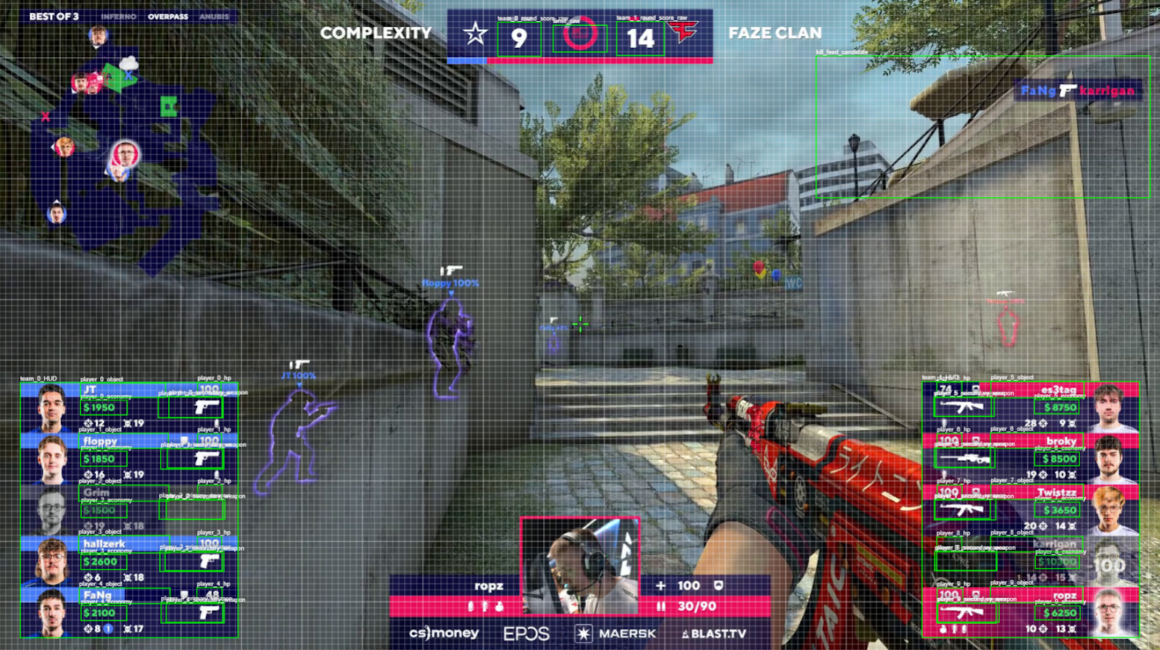
The impact of real-time data processing extends far beyond team strategy rooms, fundamentally transforming how audiences consume esports content. Modern tournament broadcasts increasingly resemble analytical dashboards rather than traditional video streams, offering viewers access to live metrics such as win probability, player performance comparisons, and dynamic graphs illustrating economic advantages. This analytical layer enhances the viewing experience, allowing fans to better understand complex tactical decisions and feel more involved in the strategic aspects of the game. Technologies like augmented reality (AR) further enrich broadcasts by visualizing grenade trajectories, player influence zones, and key tactical moments in real time.
At the same time, live data creates new opportunities for media platforms, sponsors, and interactive audience engagement. Viewers can participate in predictions based on constantly updated statistics, turning passive spectators into active participants in the analytical process. In the future, deeper integration of real-time data may allow audiences to switch between different analytical layers during broadcasts—such as economic overviews, tactical map analysis, or AI-assisted strategy insights. As a result, esports broadcasts are evolving into hybrid educational and entertainment experiences, where data-driven insights connect players, analysts, and viewers within a single information ecosystem.
Conclusion
In conclusion, real-time data processing has fundamentally transformed professional esports from a purely emotional competition into a discipline characterized by a high degree of mathematical precision. Through predictive models and instant interpretation of in-game metrics, teams can now make strategic decisions with unprecedented speed. As a result, analytics has become just as important a competitive weapon as mechanical skill.
In today’s esports landscape, where tournament outcomes are often decided by fractions of a second, victory belongs to those who adapt fastest to the flow of information. Teams that can turn raw data into practical tactical advantages will continue to dominate the professional stage in the years ahead.