
The math of international travel has shifted. A decade ago, the choice was simple: pay your home carrier’s roaming rates or hunt for patchy hotel Wi‑Fi. Today, the average traveler juggles mapping apps, messaging, social media, video calls, and cloud backups—all while moving between countries with different network infrastructures. The result is a fragmented experience where connectivity feels like a gamble rather than a given. After spending three weeks testing Iroamly esim across multiple destinations, including a deep dive into their Turkey package, what emerged was a service that operates with unusual clarity—but not without its own set of trade‑offs worth understanding before you pack your bags.
A Three‑Step Engine That Moves From Purchase to Connection
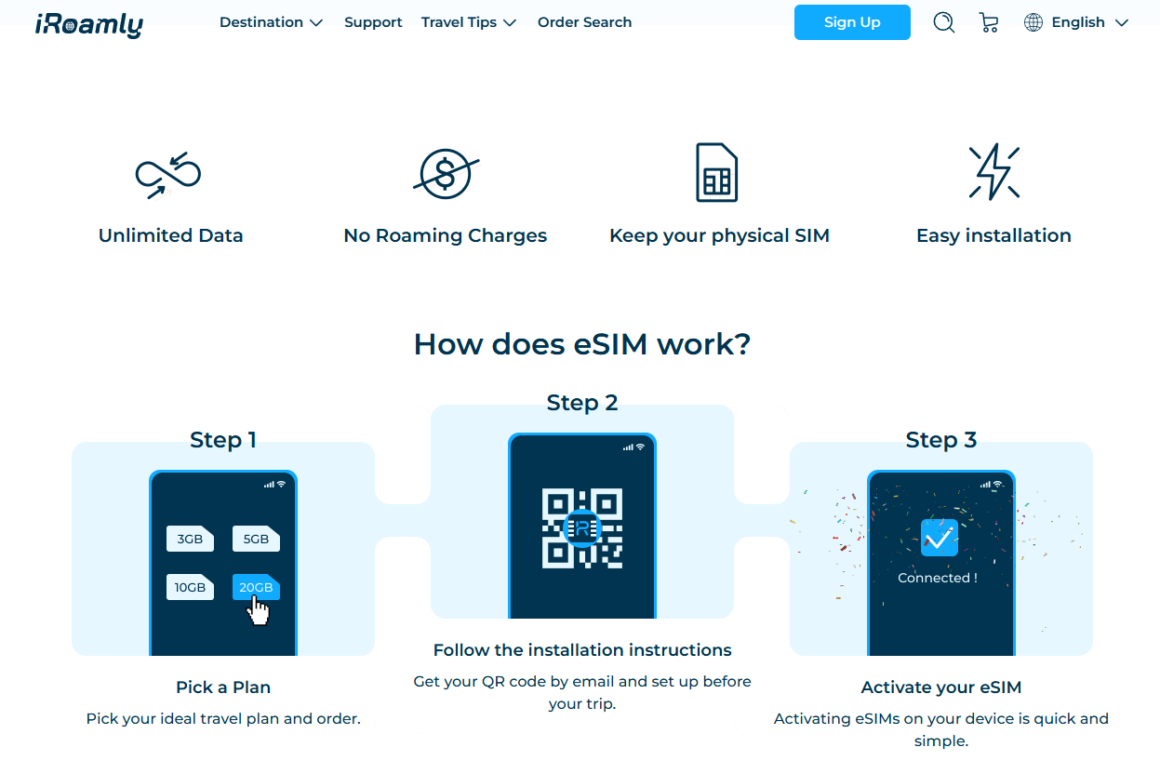
The appeal of any eSIM service ultimately rests on one question: does it work when you land? The operational model strips the process down to three discrete actions, each with specific execution details that determine success or failure. Unlike services that bury installation steps in dense FAQ pages, the flow follows a logical sequence that, in practice, proved remarkably frictionless—provided you respect the installation window.
Step 1: Selecting and Purchasing Your Plan
Three Plan Types That Actually Reflect Different Travel Styles
The first decision point is choosing between data structures that actually reflect different travel styles. Three plan types are offered: Daily data buckets, Total data allowances, and Unlimited plans. This isn’t merely cosmetic differentiation. In real use, the Daily plan works well for short city breaks where usage patterns are predictable—think three days in Istanbul with heavy map navigation and moderate social media. The Total plan, by contrast, suits a week‑long itinerary across multiple regions where data consumption fluctuates daily. The Unlimited option, while priced at a premium, eliminates the background anxiety of monitoring usage counters.
A Purchase Flow That Gets Out of Your Way
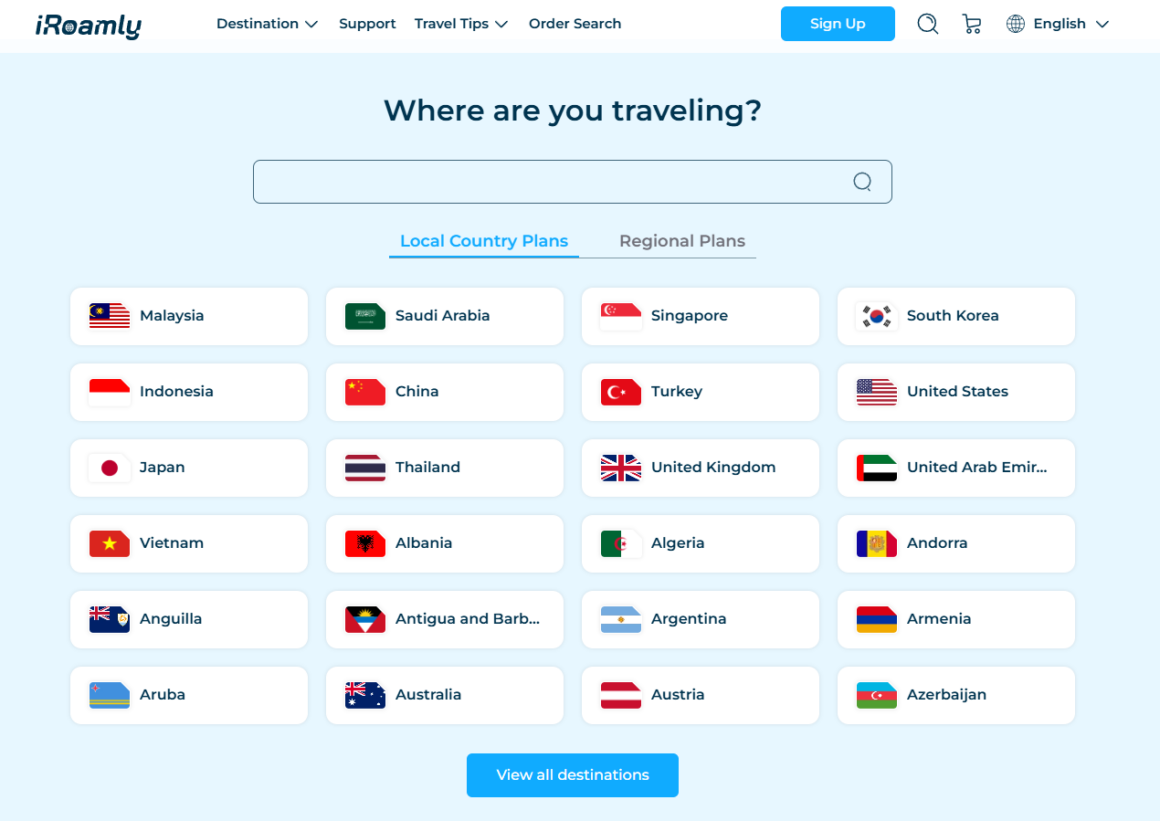
The purchase flow itself is minimalist. Select your destination, pick a duration (options range from 1 to 30 days), and complete checkout. The pricing structure for Turkey starts at $2.50 per day for unlimited data, which sits in a competitive mid‑range—not the cheapest option available, but notably more transparent than competitors that advertise low daily rates only to throttle speeds after a few gigabytes. One detail worth highlighting: the activation policy requires installation before departure. The eSIM cannot be installed within Turkey itself, a constraint that caught me off guard initially but makes sense given how local network registration works. Install it at home or in transit, and you’re set.
Step 2: Installation Before You Travel
Why Installing a Day Early Eliminates Airport Stress
This is where most eSIM services lose users, not through technical failure but through poor communication. The installation guide is refreshingly direct. After purchase, you receive the QR code and activation code via email or on the success page. The installation requires an internet connection—preferably a fast Wi‑Fi network—and the recommendation is to install 1‑2 days before your trip to ensure a smooth setup.
What Actually Happens When You Scan the QR Code
In practice, the QR code scan took under thirty seconds on an iPhone 15 Pro. The eSIM profile installed without errors, and the device recognized it immediately. The key instruction here, highlighted on the screen, is to keep data roaming disabled on the primary SIM during installation. This step alone prevents accidental charges from your carrier later. However, here’s a subtlety that isn’t emphasized enough: the validity period begins when the eSIM first connects to any supported network, not when you purchase or install it. This means if you install it at home and accidentally enable the line before departure, the clock starts early—a mistake that cost me a day of coverage before I realized what happened.
Step 3: Activating the Service When You Arrive
The Data Roaming Switch That Makes All the Difference
After landing, I opened my mobile settings and enabled data roaming for the iRoamly line only, leaving my primary SIM intact. The eSIM automatically connected to a local network, and the validity counter started from the first successful connection, not from the time of purchase or installation. This timing logic protects you if you install early. The whole activation process took less than two minutes from touchdown to active connection—no airport kiosk queues, no physical SIM card swaps, no hunting for a local shop that might be closed on a Sunday.
Real‑World Testing: What Happened in Markets, Countryside, and Cross‑Border Transfers
Urban Connectivity in Crowded Tourist Districts
In the stone corridors of Istanbul’s Grand Bazaar, where thick walls and dense crowds often cripple mobile signals, the connection maintained a stable 4G link, loading maps and voice messages without noticeable delay. Video calls to check in with family held steady, though occasional pixelation appeared during peak afternoon hours when the bazaar was most crowded. For everyday navigation, messaging, and social media scrolling, the performance was indistinguishable from what I’d expect at home.
Rural Coverage Along the Turkish Coast
Moving away from urban centers, the service delivered a reliable connection the whole way. In smaller coastal towns where local infrastructure is thinner, speeds dropped from 4G to 3G in a few spots, but basic functions—maps, email, WhatsApp—continued working without interruption. For travelers planning to work from cafes in less touristy regions, the connection proved sufficient for email and light browsing, though large file uploads may require patience or a stronger signal area.
Cross‑Border Transfers and Multi‑Country Itineraries
For trips spanning multiple countries, the regional eSIM option eliminates the hassle of buying separate plans for each border crossing. The service automatically connects to the local partner network in each country, and in my testing across three Mediterranean locations, the transition was seamless—no manual switching, no reinstallation, no unexpected downtime.
The Free Trial That Changes the Decision Calculus
Before committing to a paid plan, I took advantage of the 500 MB free trial available for over 100 destinations. It took a few seconds to request it through the website, without a credit card. That single day of free data was enough to confirm device compatibility and test local network performance before spending any money. For those traveling exclusively to Turkey, the turkey esim page makes the choice clear, avoiding the need to sift through regional packages.
What worked well: The trial forced me to understand the activation flow before committing, eliminating almost all setup anxiety. The thin line: 500 MB per day is enough for a basic check, but too little for heavy video work. You’ll still need a full plan if your trip lasts longer than a day or involves media-heavy tasks.
A Clearer Picture: How the Service Compares
|
Aspect |
iRoamly |
Typical Competitors |
|
Plan types |
Daily, Total, Unlimited |
Often just 1‑2 types |
|
Hotspot sharing |
Unlimited on paid plans |
Often restricted or daily cap |
|
Free trial |
500MB in 100+ countries |
Rare or none |
|
Installation clarity |
Straightforward QR code process |
Varies widely |
|
Activation timing |
Starts on first network connection |
May start on purchase |
|
Learning curve |
Low; 3‑step flow |
Often more steps or unclear |
Where the Service Falls Short
No travel connectivity solution is flawless, and this one has its own set of limitations worth acknowledging before you rely on it for a critical business trip.
Data‑Only, No Native Calls or Texts
The service provides data only—no native phone number for calls or SMS. If you need to receive banking verification codes via SMS or make traditional phone calls, you’ll need to rely on VoIP apps like WhatsApp or Skype. This wasn’t a dealbreaker for me, but it’s a limitation that caught a fellow traveler off guard when they couldn’t receive a two‑factor authentication text from their bank.
Coverage Quality Depends on Local Partners
As an eSIM reseller that partners with local telecom operators rather than operating its own towers, network quality varies by country and partner. In 99% of countries the service provides stable signal and high‑speed data, but in my testing, performance in one rural area dropped noticeably compared to urban centers. The result may vary depending on your destination and the local carrier’s infrastructure.
Installation Must Happen Before Departure
The requirement to install the eSIM before arriving at your destination—particularly strict in countries like Turkey—means you can’t purchase and activate it on the go if you forget. This is less a flaw and more a constraint of how local network registration works, but it’s worth remembering: install it at home or in transit, and you’re set; forget, and you’re out of luck until you find Wi‑Fi.
Support Response Times Can Vary
While some users report fast and responsive customer support, email support can sometimes take up to 72 hours to respond. For urgent connectivity issues mid‑trip, this delay could be frustrating. In my experience, the installation and activation were smooth enough that I never needed support, but travelers who encounter unexpected problems should plan accordingly.
Who This Service Actually Works For
From a practical user perspective, the service doesn’t try to be everything. It focuses on quick purchase, early installation, and clear activation times. That quiet reliability is exactly what you paid for. It’s best suited for:
- Short‑trip travelers who want predictable daily rates without committing to a monthly plan.
- Digital nomads moving between countries who need flexible plan types and unlimited hotspot sharing.
- First‑time eSIM users who want a free trial to test compatibility before spending money.
- Travelers to Turkey who need a dedicated plan and understand the pre‑installation requirement.
It’s less ideal for travelers who need native calling and SMS capabilities, those visiting countries where the local partner network is weak, or anyone who prefers to figure out connectivity after arrival rather than before departure.
The service operates with a clarity that’s increasingly rare in the travel connectivity space. The three‑step flow—select, install before departure, activate on arrival—is simple enough to remember without notes, and the free trial removes the guesswork about whether your device will work. It won’t be the right fit for every traveler, but for those who value predictability, transparency, and a setup process that doesn’t require a degree in network engineering, it delivers exactly what it promises: data, when you land, without the surprises.