
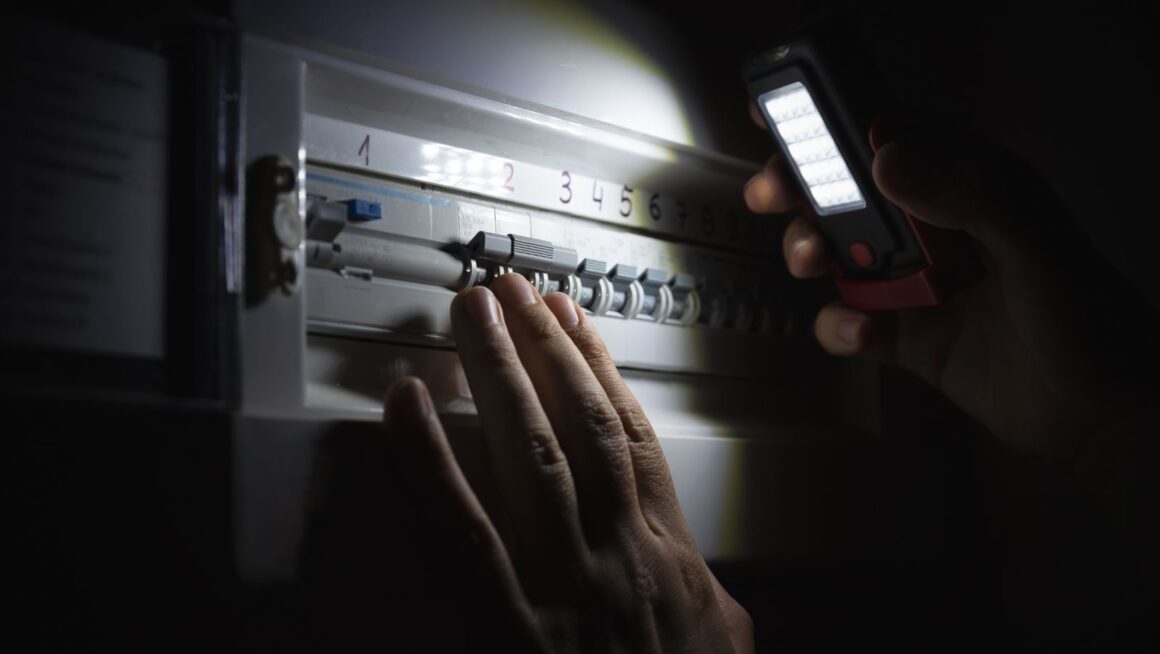
When the lights suddenly flicker and go out, most people realise just how much they rely on electricity. It’s not just about keeping the lights on — it’s the fridge, your phone, Wi-Fi, and even basic comfort that’s suddenly gone. But while power outages can be stressful, preparing for them doesn’t have to mean rushing to the shops and emptying shelves. With a bit of foresight, a few key tools, and some practical planning, you can stay calm, comfortable, and connected through any blackout — especially if you take simple steps like choosing to purchase power bank from iTechworld to keep your devices powered up.
Here’s how to build a blackout-ready setup without the chaos of last-minute shopping sprees.
Step 1: Know What Actually Matters During an Outage
When the power goes out, it’s tempting to focus on comfort — but safety comes first. Start by identifying your essentials:
- Light: You’ll need reliable lighting sources that don’t rely on mains power, such as LED lanterns, headlamps, or rechargeable flashlights.
- Power: Keeping your phone and essential electronics charged is key for communication and updates.
- Food: Know which items in your pantry don’t need refrigeration or cooking.
- Water: If your home relies on an electric pump, have bottled water or a gravity-fed supply ready.
Once you understand what truly matters, you can prepare with precision — rather than panic.
Step 2: Build a Reliable Backup Power Setup
A blackout doesn’t have to mean disconnection. Portable charging solutions are your best friends here, and a good power bank can be a lifesaver. Choose one with enough capacity to charge multiple devices — phones, tablets, or even small appliances like fans or LED lights.
When buying, look for:
- High capacity (20,000mAh or more): Enough to charge your phone several times.
- Multiple ports: So you can share or charge several devices at once.
- Fast-charging support: To make the most of short power windows when electricity returns.
- Durability: Some models even include built-in flashlights or solar charging panels.
And if you live in an area prone to long outages, consider a portable power station — a larger version of a power bank that can even power small household devices like modems or laptops.
Step 3: Keep Communication Lines Open
Your phone is your connection to news, weather alerts, and emergency services — but it’s also one of the first things to die during an outage. Besides a portable charger, have a few old-school backups:
- A battery-powered or hand-crank radio to stay informed if mobile data goes down.
- A car charger that works through your vehicle’s power outlet.
- An offline emergency contact list in case you can’t access your phone.
These small preparations ensure you’re not left in the dark — literally or figuratively — when communication networks are unstable.
Step 4: Light Up Smartly
Candles might look charming, but they’re not the safest option during a power outage. Opt for:
- LED lanterns – long-lasting and bright enough to light up entire rooms.
- Headlamps – great for hands-free use while cooking or fixing things.
- Solar garden lights – they can be brought indoors for free, sustainable light.
Rechargeable LED lights can be powered during the day and used at night — efficient, safe, and easy to maintain.
Step 5: Protect Food and Water Supplies
The average fridge can keep food cold for about four hours during a power outage — longer if you keep the door closed. To extend that:
- Keep a few ice packs in your freezer at all times.
- Move perishable items into an insulated cooler once the fridge warms up.
- Stock shelf-stable foods like canned beans, oats, and pasta.
If the outage lasts more than a day, prioritise using perishables first before moving to pantry items.
Step 6: Make It Comfortable, Not Complicated
You don’t need to overbuy to stay comfortable. A few thoughtful items can make a big difference:
- Rechargeable fans for warm nights.
- Thermal blankets or sleeping bags for cold weather.
- Board games, books, or downloaded entertainment for keeping calm and occupied.
Being mentally prepared is just as important as being physically equipped — calm thinking helps you make smarter decisions.
Step 7: Maintain Your Emergency Kit
Preparation only works if you keep it up to date. Every few months, check your batteries, recharge your devices, and replace expired food or water supplies. Store your essentials in one clearly labelled box or bag so you can grab it instantly when needed.
Consider running a short “mock outage” at home once a year — turn off your power for an hour and see what’s missing or what could be improved. It’s a small exercise that can save you from major stress later.
Staying Calm Is the Real Secret
Power outages are inconvenient, but panic buying rarely solves the problem. Instead of reacting, prepare. A few practical tools — a stocked pantry, reliable light, and a solid portable power source — can make a blackout little more than a temporary inconvenience.
By taking small, intentional steps now, you can turn an unpredictable situation into one you’re fully in control of. Because the best way to handle a power outage isn’t to panic — it’s to be ready.