
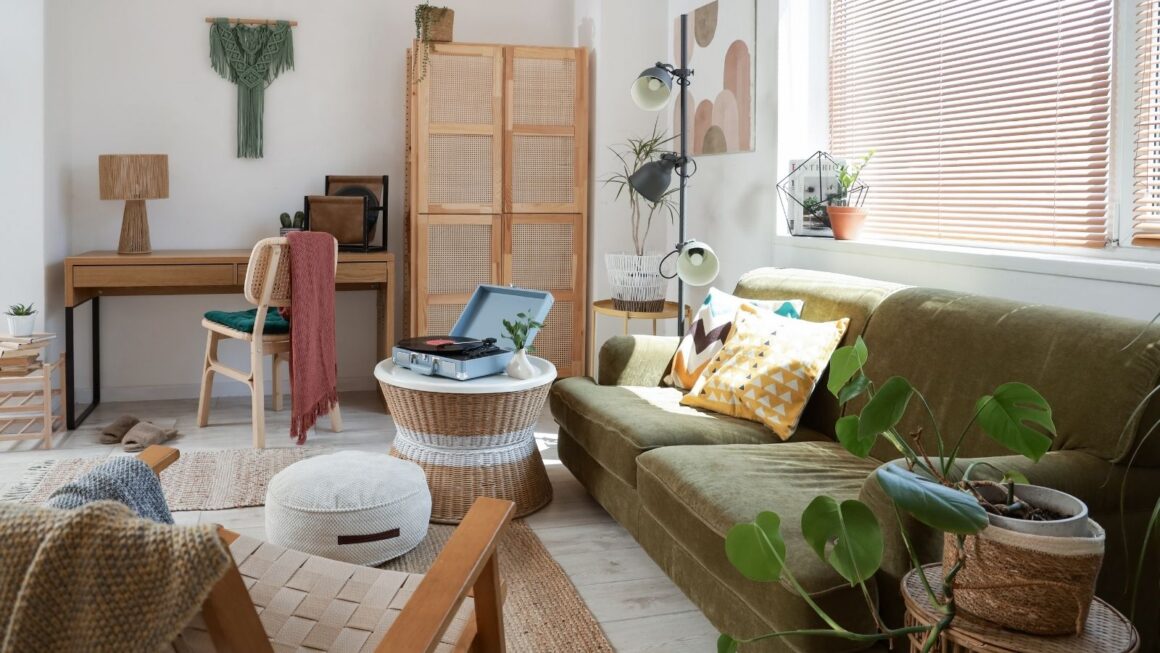
Home should be a place where you feel safe, comfortable, and able to recharge after the demands of everyday life. Whether you spend your days working outside the home, working remotely, raising children, or managing a busy schedule, the environment you return to can have a significant impact on your overall wellbeing. A clean, organized, and welcoming home can make daily routines feel easier while creating space to relax and enjoy meaningful moments with family.
Creating a home that supports better mental health does not require expensive renovations or perfectly decorated rooms. It is often the simple habits and thoughtful routines that make the greatest difference. Small changes completed consistently can transform your home into a place that encourages calm, comfort, and balance.
If you are looking for practical cleaning ideas and inspiration from others working toward the same goal, the Homeaglow Facebook Group is a welcoming community where members share organization tips, cleaning routines, and ideas for creating homes that feel more peaceful and easier to maintain.
Reduce Visual Clutter
One of the easiest ways to create a calmer home is by reducing unnecessary clutter.
Piles of paperwork, overflowing countertops, scattered toys, and crowded shelves can make rooms feel busier than they actually are. Even when you are not actively thinking about these items, they continue competing for your attention.
Removing unnecessary belongings and organizing the things you use regularly creates a more relaxing environment that is easier to enjoy.
Build Simple Cleaning Habits
Many people feel overwhelmed because they wait until cleaning becomes a major project.
Instead, develop small routines that naturally fit into your day. Wash dishes after meals, wipe kitchen counters before bedtime, put away belongings after using them, and spend a few minutes tidying common areas each evening.
These habits prevent clutter and mess from accumulating while helping your home remain consistently comfortable.
Create Spaces for Relaxation
Every home benefits from having dedicated areas where family members can unwind.
A comfortable chair by a window, a quiet reading corner, a cozy bedroom, or a peaceful outdoor space can all encourage moments of rest throughout the day. Keep these spaces clean and free from unnecessary distractions so they remain inviting whenever you need a break.
Even small areas can become valuable places to recharge.
Let Natural Light In
Natural light can make a home feel brighter, more open, and more welcoming.
Open curtains during the day whenever possible and keep windows clean so sunlight can enter your living spaces. If a room receives limited natural light, use warm lighting that creates a comfortable atmosphere without feeling harsh.
Simple adjustments to lighting can completely change how a room feels.
Organize Your Daily Essentials
Searching for misplaced keys, important documents, chargers, or school supplies creates unnecessary frustration.
Designate specific places for frequently used items and encourage everyone in the household to return them after use. Organized storage reduces stress while making everyday routines much smoother.
When everything has a place, your home naturally feels more manageable.
Encourage Family Time
A home that supports mental wellbeing also encourages meaningful connections.
Keep common areas comfortable and inviting so family members naturally spend time together. Eating meals at the table, playing games, reading, or simply talking about the day all strengthen relationships while creating a greater sense of belonging.
Strong relationships contribute significantly to emotional wellbeing.
Keep Bedrooms Peaceful
Bedrooms should provide a sense of calm at the end of each day.
Regularly changing bedding, reducing clutter, organizing clothing, and keeping surfaces clean all help create a more restful environment. Walking into a tidy bedroom makes it easier to relax and prepare for a good night’s sleep.
Small habits often make a noticeable difference.
Share Household Responsibilities
Maintaining a healthy home should never become one person’s responsibility.
Children can put away toys, organize books, or help with simple chores. Older children can vacuum, fold laundry, or clean shared spaces. Adults can divide larger household tasks according to schedules and preferences.
Working together creates a greater sense of teamwork while reducing individual stress.
Make Time for Enjoyable Activities
A healthy home is not simply one that stays clean. It is also a place where enjoyable activities happen regularly.
Spend time cooking together, listening to music, working on creative projects, exercising, or enjoying conversations without feeling distracted by household chores.
Creating positive experiences inside your home helps strengthen your connection to the space.
Accept That Perfection Is Not Necessary
Many people place unrealistic expectations on themselves when it comes to maintaining their homes.
Real homes are meant to be lived in. Children play, pets leave paw prints, meals create dishes, and laundry occasionally waits to be folded. Instead of aiming for perfection, focus on creating routines that keep your home comfortable and functional.
Progress is much more valuable than unrealistic standards.
Know When to Ask for Help
There will be periods when work, family responsibilities, illness, or major life events make household chores more difficult to manage.
During these times, accepting help from family members or hiring professional cleaning services can reduce unnecessary pressure while allowing you to focus on your wellbeing and the people around you.
Asking for help is often one of the healthiest choices you can make.
Final Thoughts
Creating a home environment that supports better mental health does not require dramatic changes. Simple habits such as reducing clutter, building consistent cleaning routines, organizing everyday items, encouraging family time, and creating comfortable spaces for relaxation all contribute to a home that feels calmer and more enjoyable.
Your home should be a place that helps you recover from daily stress rather than adding to it. By making small improvements over time and focusing on routines that fit your lifestyle, you can create a welcoming environment that supports both your mental wellbeing and your family’s happiness every day.