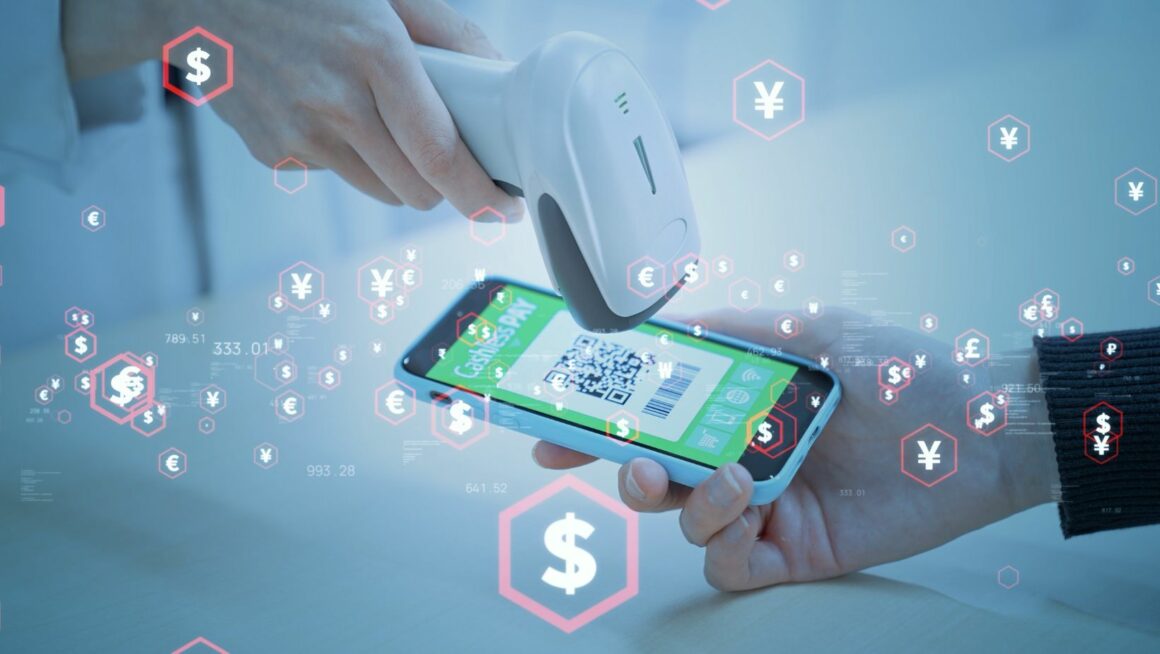

Mobile apps have quietly changed the way people move money across borders. Years ago, sending funds to another country often meant standing in line at a bank, filling out forms, and paying high fees. Today, the process is faster and far more convenient. With just a smartphone and an internet connection, people can transfer money almost instantly. This shift has made international payments easier for families, freelancers, students, and businesses. Mobile technology has turned what used to be a complicated task into something that can be done in minutes.
The Rise of Mobile Money Transfer Apps
Mobile apps have become a popular tool for international money transfers. People use them because they are simple and accessible. Anyone with a smartphone can download an app and start sending money after a short setup process. This convenience is especially helpful for immigrants and workers living abroad who support family members in their home countries. For example, someone working overseas might need to send money to relatives regularly. Instead of visiting a physical branch, they can simply open an app and send the payment. Many users who want to send money to the Philippines from Canada now rely on mobile apps because the process is quick and straightforward.
Another reason these apps are gaining popularity is their user-friendly design. Most apps guide users step by step. Even someone who is not very comfortable with technology can usually figure it out quickly. Clear instructions, simple menus, and helpful notifications make the process smooth.
Faster Transactions Than Traditional Methods
One of the biggest advantages of mobile money transfer apps is speed. Traditional international bank transfers can take several days to complete. Banks often rely on multiple intermediaries, and each step adds time to the process.
Mobile apps, on the other hand, use modern financial technology. Many transfers are processed almost instantly or within a few hours. This speed can make a big difference for people who need to send emergency funds. For example, if a family member needs help paying medical bills or school fees, quick access to money can relieve a lot of stress.
The real-time tracking feature also helps users stay informed. Many apps show the progress of a transaction from start to finish. This transparency gives users confidence that their money is moving safely.
Lower Costs and Transparent Fees
Another reason mobile apps are changing international transfers is cost. Traditional banks often charge high service fees and offer exchange rates that are not always favorable. These hidden costs can make sending money expensive.
Mobile transfer apps usually provide lower fees. Many companies compete with each other, which encourages better pricing. Some apps clearly show the exchange rate and the total cost before the user confirms the transaction. This level of transparency helps people understand exactly what they are paying.
For people who send money regularly, these savings can add up quickly. Over time, using an app instead of a traditional bank can mean keeping more money in the sender’s pocket.
Convenience Anytime, Anywhere
Convenience is another major advantage of mobile apps. International transfers no longer depend on bank hours or physical locations. A user can send money at any time of day. Whether it is early morning or late at night, the app is always available.
This flexibility is especially helpful for people with busy schedules. Workers who spend long hours on the job may not have time to visit a bank during business hours. With a mobile app, they can complete a transfer during a lunch break or while commuting.
Many apps also store recipient details securely. Once a user sends money to someone for the first time, the information is saved for future transfers. This means the next transaction can take only a few seconds.
Improved Security and Safety
Security is a major concern when dealing with financial transactions. Mobile money transfer apps have invested heavily in safety features to protect users. Most platforms use encryption to secure sensitive data. This technology keeps financial information safe from unauthorized access.
Many apps also include additional security layers. These may include biometric login, such as fingerprint or facial recognition. Two-factor authentication is another common feature. It requires users to confirm their identity with a code sent to their phone or email.
These protections help reduce the risk of fraud. They also make users feel more comfortable using digital services for international payments.
Helping Families Stay Connected
International money transfers are not just about finances. For many families, they are a way of staying connected across long distances. Millions of people work abroad and send part of their income back home. This money often supports daily expenses, education, and healthcare.
Mobile apps make this support easier and more reliable. Instead of waiting days for a bank transfer, families can receive funds quickly. In some cases, the money arrives within minutes. This speed and convenience help families manage their needs without unnecessary delays.
The Future of Global Money Transfers
Mobile technology continues to evolve, and money transfer services are improving alongside it. New features appear regularly, such as digital wallets, multi-currency accounts, and AI-powered fraud detection. These innovations are making international transfers even smoother.
As smartphones become more common worldwide, mobile apps will likely play an even bigger role in global finance. They remove many of the barriers that once made cross-border payments complicated. In the future, sending money to another country may feel as simple as sending a text message.
In short, mobile apps have transformed international money transfers. They offer speed, convenience, lower costs, and strong security. For millions of people around the world, these tools have turned a once stressful process into a simple everyday task.